The granite islands of Seychelles rise dramatically from turquoise waters, concealing beneath their surface an aquatic realm that rivals any destination on Earth. With water temperatures hovering between 26 and 29 degrees Celsius year-round, visibility up to 30 meters during optimal conditions, and over 1,000 fish species calling these waters home, the archipelago offers unparalleled opportunities for underwater exploration. The true advantage emerges when accessing these pristine locations aboard a private vessel, reaching remote anchorages that remain beyond the grasp of land-based visitors.
Services such as Seychelles boat charter enable travelers to navigate between protected marine parks and secluded bays, dropping anchor precisely where the most spectacular coral gardens thrive. The flexibility to adjust itineraries based on weather patterns, tidal movements, and personal preferences transforms each voyage into a curated underwater adventure. Unlike scheduled tour boats that follow rigid timetables, private yacht expeditions allow extended sessions at favorite locations or spontaneous detours to newly discovered spots.
Understanding Seychelles Marine Environments
The underwater landscapes surrounding these islands are divided into distinct ecological zones, each supporting unique communities of marine organisms. Granite boulder formations create dramatic swim-throughs and shadowed caverns where moray eels establish territories and octopuses camouflage against ancient rock. These geological features, characteristic of the inner islands, provide photographers with striking backdrops and beginners with easily navigable reference points.
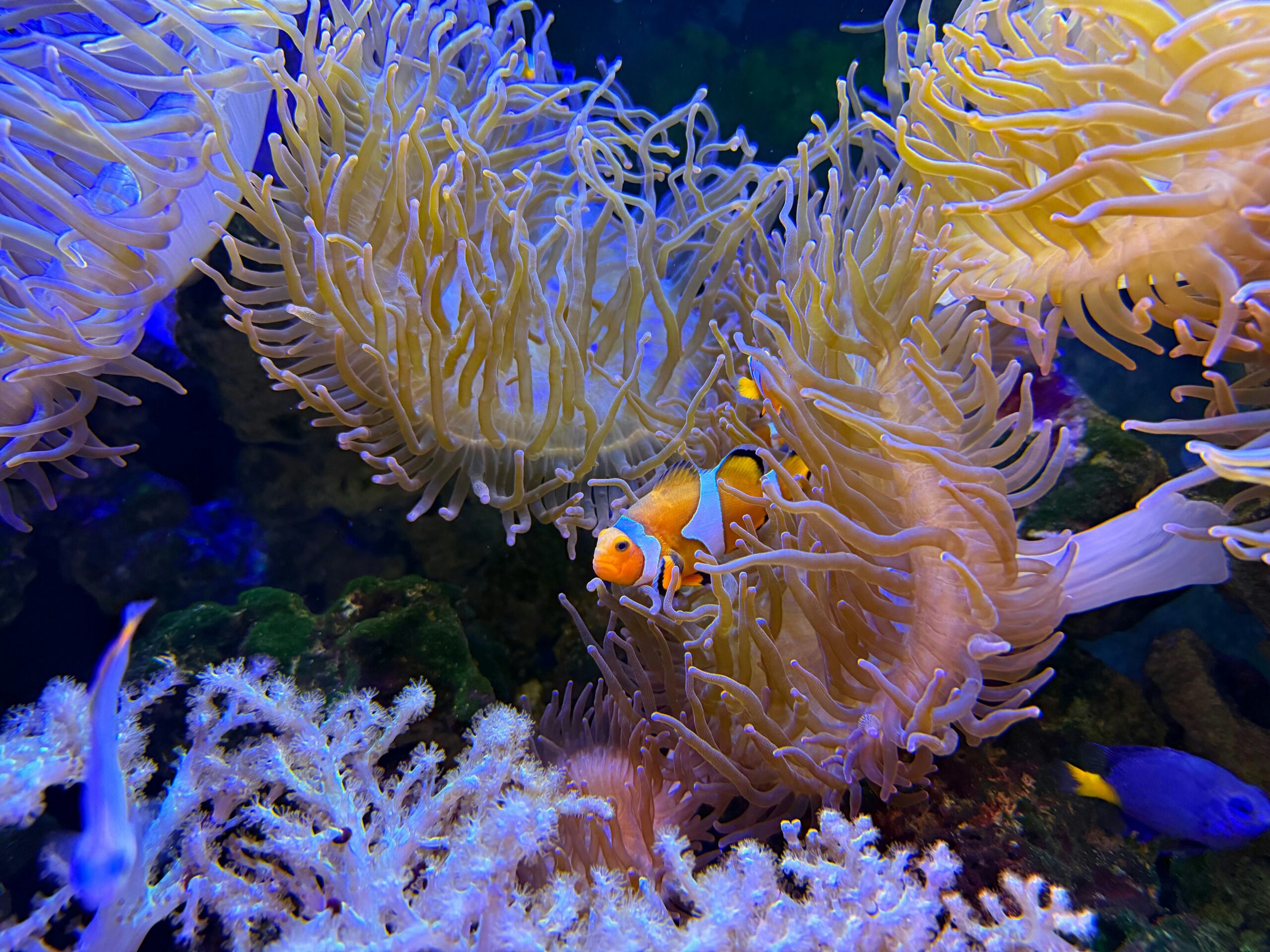
Coral gardens occupy shallower zones where sunlight penetrates with sufficient intensity to sustain photosynthetic organisms. Hard corals construct intricate structures that shelter juvenile fish, while soft corals sway with currents, creating forests of color ranging from deep purple to brilliant yellow. Seagrass meadows, though often overlooked by visitors seeking more vibrant scenery, function as critical nurseries for numerous species and frequently host green turtles grazing on vegetation.
The seasonality of visibility follows predictable patterns tied to monsoon cycles. April through May represents the pinnacle period when calm conditions and minimal plankton growth combine to produce crystalline clarity. October and November offer a second window of excellent visibility, coinciding with whale shark migrations that draw these gentle giants to Seychelles waters. During the southeast monsoon months of June through September, western coastlines maintain superior conditions due to sheltering effects, while the northwest monsoon from December to March creates more variable circumstances that require careful site selection.
Baie Ternay Marine National Park
Positioned along Mahé’s northwest coast, this protected area remains accessible exclusively by watercraft, ensuring its preservation from the crowds that overwhelm more easily reached beaches. The bay’s sheltered configuration creates reliably calm conditions suitable for novice snorkelers and families with younger participants. Coral formations thrive at depths of 2 to 8 meters, allowing extended observation periods without advanced swimming skills.
Giant trevally patrol the bay in coordinated schools, their silver bodies flashing as they execute synchronized turns. Moorish idols, identifiable by their elongated dorsal fins and distinctive black, white, and yellow patterns, drift gracefully between coral heads. Eagle rays occasionally glide through deeper sections, their wingspan creating impressive silhouettes against the sandy bottom. Green turtles surface periodically to breathe, often showing curiosity toward swimmers who maintain a respectful distance.
Anchoring depths of eight to twelve meters over sandy patches with scattered coral require careful navigation to avoid damaging fragile organisms. Morning hours typically deliver the smoothest water surface, though afternoon sessions can prove equally rewarding when wind patterns cooperate. The marine park designation requires adherence to specific regulations, including prohibitions on fishing, anchoring on living coral, and the removal of any natural materials.
St. Pierre Island
This small granite outcrop near Praslin’s Côte d’Or has achieved iconic status among underwater enthusiasts, has been prominently featured in tourism photography, and has consistently been rated among the archipelago’s premier snorkeling destinations. Massive boulders tumble into depths of ten meters, creating architectural formations that channel light into cathedral-like chambers. The exceptional clarity typical of this location makes it particularly valuable for underwater photography, with visibility frequently exceeding twenty meters.
Batfish congregate in large aggregations around the island’s perimeter, their flat bodies and zebra-like stripes making them unmistakable. Honeycomb moray eels extend from crevices between rocks, their spotted patterns providing camouflage until movement betrays their presence. Trumpet fish hang vertically among coral branches, employing remarkable patience while hunting smaller prey. The moderate currents that flow between boulder formations require swimmers to assess conditions before entering, though these same currents deliver nutrients that support abundant fish populations.
Mooring buoys provide the designated attachment points for visiting vessels, as direct anchoring risks damaging the sensitive bottom. Peak visitation occurs during midday, when tour boats arrive from multiple departure points, suggesting that early morning or late afternoon timing offers more solitude. The combination of dramatic topography and dense concentrations of marine life creates an underwater theater where encounters unfold continuously.
Ile Cocos Marine National Park
Located north of La Digue, this small island consistently ranks within Seychelles’ top five underwater destinations due to exceptional coral diversity and remarkable fish density. The marine park boundaries encompass various depth zones, from shallow gardens perfect for beginners to deeper explorations reaching 12 meters, where more advanced snorkelers discover additional species. Mandatory mooring buoys replace traditional anchoring, with fees directly supporting ongoing conservation efforts.
Hawksbill turtles frequent these waters with regularity, their distinctive beak and carapace patterns distinguishing them from their green turtle cousins. Stingrays rest motionless on sandy patches between coral formations, their camouflage so effective that swimmers often pass within meters without detection. Barracuda schools hover in blue water beyond the reef edge, while trevally hunt cooperatively in shallower zones. Photographers focusing on macro subjects find nudibranchs, colorful sea slugs rarely exceeding several centimeters in length, crawling across coral surfaces.
The northern side of the island features gentler gradients and shallower coral gardens ideal for extended surface swimming. At the same time, the eastern approach offers steeper drop-offs and stronger currents, rewarding more confident swimmers with encounters with larger pelagic species. The southeast monsoon season can generate choppy conditions that reduce visibility and complicate dinghy operations, making the transition periods of April through May and October through November optimal for visits.
Scuba Diving Opportunities
While snorkeling dominates most charter itineraries, certified divers can access sites that require depth beyond surface swimming. Shark Bank, positioned southeast of Mahé at depths ranging from fifteen to thirty meters, attracts white-tip and grey reef sharks alongside substantial schools of trevally and barracuda. The granite plateau’s dramatic drop-offs create current-swept environments where nutrients concentrate, drawing larger predators that patrol the perimeter.
Brissare Rocks, between Praslin and La Digue, features massive boulder formations that create swim-through passages divers can navigate at depths of 12 to 25 meters. The layered topography permits multi-level profiles that maximize bottom time while exploring chambers where moray eels establish residence and lionfish hunt from ambush positions. Advanced Open Water certification is sufficient for most dive sites in the Seychelles. However, locations like Ave Maria, near Mahé’s northern tip, require experienced divers comfortable with currents and deeper profiles reaching 30 meters.
Working with established dive operators provides equipment rental, local knowledge, and guided services, particularly valuable for first-time visits to unfamiliar sites. Big Blue Divers and Octopus Diver represent reputable operations serving yacht-based customers with flexible scheduling that accommodates charter itineraries rather than fixed departure times.
Essential Preparations and Conservation Practices
Most charter vessels include basic snorkeling equipment, though bringing your own, personally fitted mask ensures comfort during extended sessions. Prescription masks accommodate vision requirements without compromising the ability to wear contact lenses underwater. Reef-safe sunscreen formulations avoid chemicals like oxybenzone that damage coral polyps. However, mineral-based alternatives containing zinc oxide or titanium dioxide require advance purchase as local availability remains limited and expensive.
Safety protocols require buddy systems in which participants maintain visual contact, particularly in areas with currents or reduced visibility. Surface marker buoys help boat operators track swimmer locations when drift patterns carry groups away from anchored positions. Marine VHF radios tuned to emergency channels and stored emergency contact information provide critical safety infrastructure, with the hyperbaric chamber in Victoria representing the nearest facility for treating decompression incidents.
Conservation guidelines prohibit touching or standing on coral formations, collecting shells or other marine organisms, and feeding fish in ways that disrupt natural foraging behaviors. Marine protected areas enforce specific regulations, including designated zones, seasonal closures, and equipment restrictions that visitors must observe. The mooring buoy systems installed at popular sites eliminate anchoring damage, though their use requires familiarity with proper attachment techniques to prevent buoy damage or vessel drift.
Pre-order my debut children’s book
Greek Myths, Folktales & Legends for 9-12 year olds
Published by Scholastic. Available on Amazon

Disclaimer: This content was automatically imported from a third-party source via RSS feed. The original source is: https://honestmum.com/snorkeling-and-diving-spots-paradise-on-your-seychelles-yacht-charter/. xn--babytilbehr-pgb.com does not claim ownership of this content. All rights remain with the original publisher.