By Kayleigh-Paige Rees, Actress, Film Producer and Principal at PQA – Pauline Quirke Academy of Performing Arts.
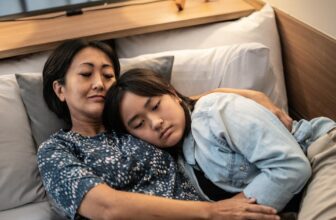
School life brings a constant stream of challenges for young people, from the daunting transition from primary to secondary school, through the pressures of SATs and GCSEs, to the stress of A-Levels. Combined with the ever-present influence of social media and digital devices, children face more pressure today than ever before. It’s no wonder that mental health concerns among young people continue to rise.
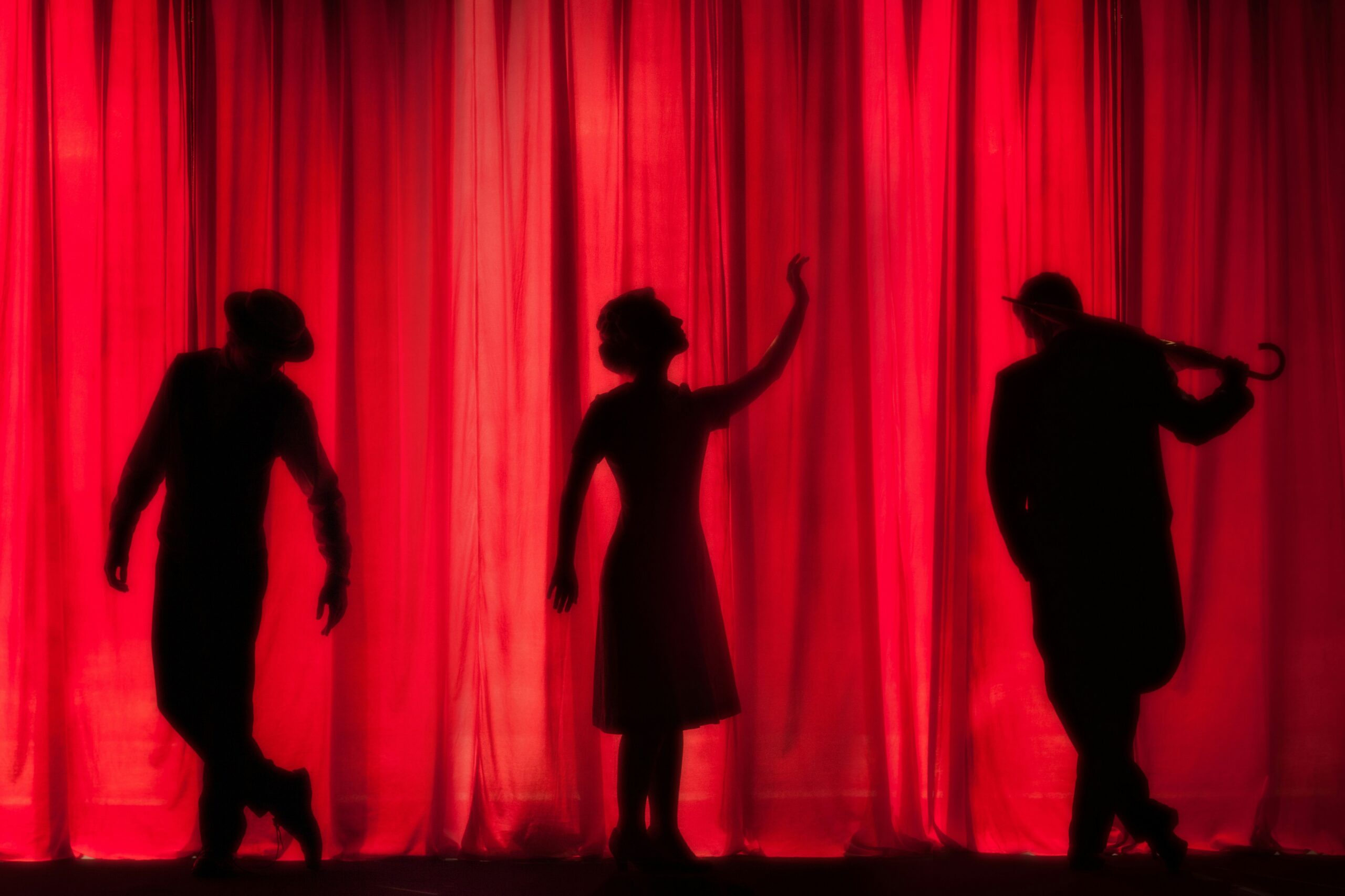
This is where extracurricular activities such as performing arts can play a vital role. By offering young people a creative outlet, a supportive community, and space away from academic pressure, performing arts provide exactly the kind of holistic support they need to support their mental wellbeing.
Leaning into creativeness and away from digital
Research from Ofcom shows that children aged 8-13 now spend an average of three hours a day on their phones, with much of this time consumed by social media. Studies have repeatedly linked excessive screen time to increased rates of anxiety, depression, and poor sleep in young people.
Performing arts classes offer something increasingly rare: a complete break from the digital world. Children put their phones away and engage in face-to-face creative work – learning choreography, improvising scenes, creating comedy sketches. This kind of creative engagement exercises the brain differently from passive scrolling, keeping minds genuinely stimulated and focused in the moment.
When children lean into creativity rather than digital distraction, they develop healthier coping mechanisms. Instead of reaching for their phone when anxious about an upcoming test, they have tools to process those feelings through movement, expression, and imagination.
Support during the big moments
Every young person’s school journey has moments that can trigger worry and stress. The move from primary to secondary school is well known as one of childhood’s most anxiety-inducing experiences. Then come the tests: SATs, GCSEs, A-Levels, each can feel overwhelming.
Regular performing arts classes offer an escape from the pressure of these big moments. When a Year 6 student arrives at PQA feeling anxious about secondary school, they enter a space where that transition simply doesn’t matter. For those few hours, they’re not “the new kid” or “the student facing exams” – they’re a performer and a creator.
Finding your own people
One of the most protective factors for mental health is having strong friendships, but forming these can be challenging. Moving to secondary school often means separation from primary school friends and exam years can strain friendships as stress levels rise.
Hobbies and shared interests have always been the foundation of lasting friendships. They’re surrounded by other young people who share their passions. They’re not grouped by academic ability or postcode, they’re connected by a love of performance and creativity.These friendships, built around shared creative experiences often prove resilient, due to this shared bond.
Encouraging laughter
Laughter is proven to reduce stress hormones, boost immune function, and release endorphins. For young people’s mental health, regular laughter is genuinely therapeutic.
This is where performing arts, especially programmes like PQA that incorporate comedy classes, becomes invaluable. Comedy exercises require children to be playful, to take creative risks, to embrace the ridiculous. When a child who’s had a difficult week at school – perhaps they struggled with a test or felt overwhelmed by homework – arrives at their comedy class, they can let go completely.
Learning to fail forward
Here’s something schools rarely teach: how to fail well. In classrooms, mistakes often feel permanent – a wrong answer in front of peers, a disappointing test grade, a fumbled presentation. These moments can shake confidence precisely when young people need it most.
Performing arts flips this entirely. In drama improvisation, there are no wrong choices – only interesting ones. A forgotten line becomes an opportunity to think on your feet. A dance step that goes differently than planned might create something better. Film takes can be repeated until they feel right. Children learn that failure isn’t final; it’s just part of the creative process.
This mindset is transformative for young people. A child who has spent months experimenting, adjusting, and trying again in their performing arts classes approaches their first day at secondary school differently. They know that awkward moments pass, that they can recover from mistakes, that not getting it perfect the first time is completely normal.
A creative lifeline
As we mark Children’s Mental Health Week 2026, it’s clear that young people need more than academic support to thrive. They need breaks from digital pressures, escapes from the stress of big school moments, communities where they can find genuine friendships, spaces where laughter is abundant, and opportunities to build resilience through creative risk-taking.
Performing arts classes provide all of this. At PQA, we help young people build the confidence, perspective, and joy they need to navigate whatever school and life throws at them.
Pre-order my debut children’s book
Greek Myths, Folktales & Legends for 9-12 year olds
Published by Scholastic. Available on Amazon

Disclaimer: This content was automatically imported from a third-party source via RSS feed. The original source is: https://honestmum.com/how-performing-arts-can-help-young-people-manage-stress-and-pressure/. xn--babytilbehr-pgb.com does not claim ownership of this content. All rights remain with the original publisher.