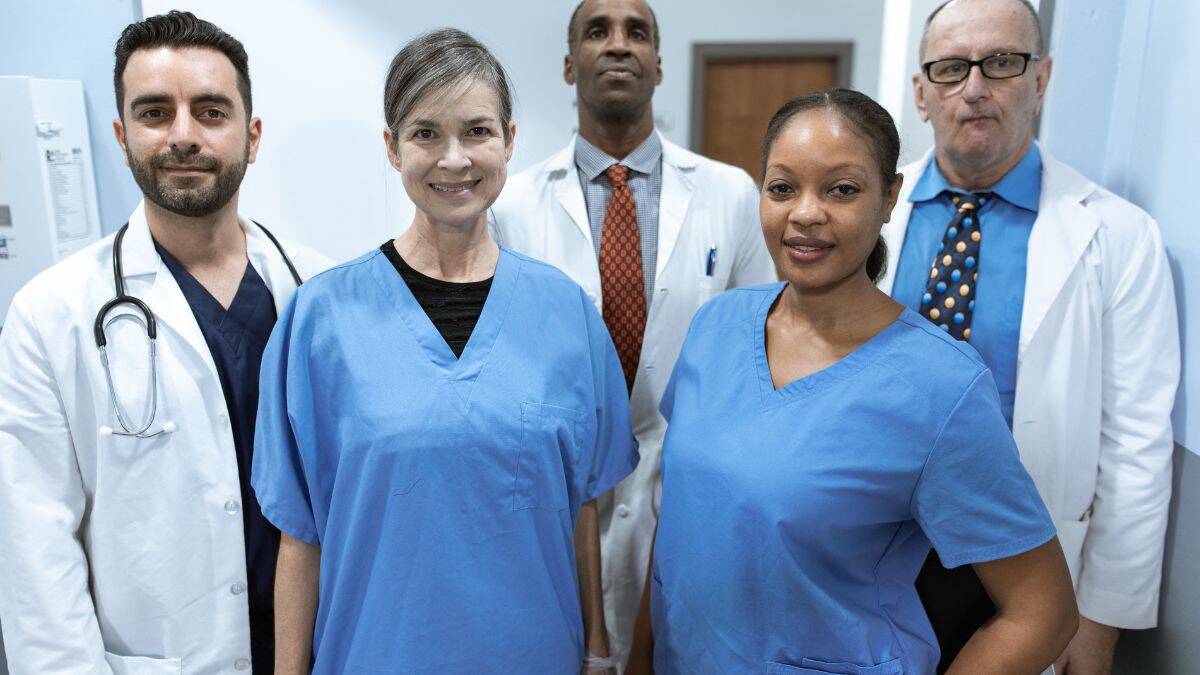
The landscape of healthcare is a constantly shifting terrain, shaped by technological advancements, evolving patient needs, and a growing understanding of holistic well-being. At the heart of this dynamic system are nurses, the frontline caregivers who require an education that equips them not just with clinical skills, but also with the adaptability and foresight to navigate these modern demands.
Nursing education, far from being static, is continuously undergoing transformations, embracing innovation to prepare a new generation of nurses ready to meet the challenges of today. Here are some of the ways in which nursing education has changed to adapt to the demands of modern life.
Technology in the Classroom
Perhaps the most palpable adaptation in nursing education has been the integration of technology. Gone are the days when textbooks and chalkboards were the sole tools of instruction. Today’s nursing programs leverage a sophisticated blend of digital resources. Simulation laboratories, once a novelty, are now commonplace. These high-fidelity mannequins, capable of mimicking a vast array of physiological responses, allow students to practice complex procedures and critical decision-making in a safe, controlled environment.
From managing simulated cardiac arrests to responding to allergic reactions, students gain insights from qualified, med-student substitutes, to invaluable hands-on experience without compromising patient safety.
Additionally, online learning platforms and hybrid models have become essential. The flexibility offered by these modalities allows aspiring nurses to balance their education with personal responsibilities, a crucial consideration in our fast-paced lives. E-learning modules provide access to a wealth of information, from detailed anatomical diagrams to interactive case studies, available anytime, anywhere. This digital shift not only enhances accessibility but also fosters a culture of lifelong learning, mirroring the continuous professional development required in the healthcare field.
Interprofessional Networking and Holistic Care
Modern healthcare is a collaborative effort. Nurses no longer operate in isolation, but integral members of multidisciplinary teams. Recognizing this, nursing education has increasingly incorporated interprofessional education (IPE). This involves students from different healthcare disciplines – medicine, pharmacy, physical therapy, and social work, to name a few – learning alongside each other.
Through shared case studies, team-based projects, and simulated patient scenarios, aspiring nurses develop crucial communication, teamwork, and mutual respect skills. This collaborative approach prepares them to effectively communicate with colleagues, leading to better patient outcomes and a more coordinated care experience.
Beyond the immediate clinical setting, nursing degrees— online or on campus— education now places a greater emphasis on holistic care. This means understanding the patient not just as a collection of symptoms, but as an individual influenced by their social, emotional, and environmental context. Curricula now often include modules on mental health, cultural competency, health promotion, and patient advocacy.
As a result, students are encouraged to develop empathy, active listening skills, and an understanding of the social determinants of health, equipping them to address the multifaceted needs of diverse patient populations.
Evolving Needs
The complexity of modern medicine has also driven a need for greater specialization within nursing. Educational programs are responding by offering a wider array of advanced practice tracks and specialized certifications. From critical care and oncology to pediatric nursing and geriatrics, students can tailor their education to pursue areas of particular interest and expertise. This allows for the development of highly skilled nurses who can address the specific demands of complex medical fields.
In conclusion, nursing education has demonstrably adapted to the demands of modern life by embracing technological innovation, fostering interprofessional collaboration, prioritizing holistic patient care, and expanding opportunities for specialization. These evolutions are not merely adjustments. Instead, they are fundamental shifts that ensure nurses are not only competent practitioners but also compassionate, adaptable, and forward-thinking caregivers, ready to meet the ever-evolving healthcare needs of our society.
Disclosure: collaborative post
Thank you for reading – if you enjoyed this content, please consider buying me a coffee here
or browse my Amazon wishlist
I really appreciate your support and it helps to keep the site running and for my time 🙂
Disclaimer: This content was automatically imported from a third-party source via RSS feed. The original source is: https://midwifeandlife.com/how-nursing-education-has-adapted-to-the-demands-of-modern-life/?utm_source=rss&utm_medium=rss&utm_campaign=how-nursing-education-has-adapted-to-the-demands-of-modern-life. xn--babytilbehr-pgb.com does not claim ownership of this content. All rights remain with the original publisher.