When children are small, money can feel like a grown-up topic and one we promise ourselves we’ll deal with “properly” later. Yet between supermarket trips, toy adverts, and endless requests for snacks, children are already forming ideas about money long before they can count it.
For mums like us with young children, especially in today’s economic climate, teaching kids about saving and budgeting can feel overwhelming. You may be juggling childcare costs, rising bills, and your own financial worries. The last thing you need is guilt about not doing “enough” financially.
Here’s the good news. Teaching children under six about money doesn’t require complicated systems, pocket money charts, or perfection. In fact, the foundations are built through everyday moments, and it’s much simpler than you might think.
Why Money Lessons Start Earlier Than We Think
Children under six may not understand numbers or budgets, but they are brilliant observers. What they do notice is:
- How often we say “We can’t afford that”
- Whether money is talked about with stress or calm
- How we react when things cost more than expected
- Whether saving is normal or rare
These early impressions shape how children feel about money, whether it’s something scary, scarce, or manageable. On the flip side, maybe it doesn’t mean they have to think about it because it isn’t a scarce resource.
Teaching young children about saving isn’t about maths. It’s about values, patience, and choices.
Keep It Concrete: Make Money Visible
Young children learn best through things they can see and touch. Digital money is an abstract concept, whereas coins and notes feel real. My son just thinks money is in the phone, but when he asked about how it got there, it was the perfect learning opportunity. Children are naturally curious, and when they ask questions, answer honestly and with care. If you feel rushed at the time, set some time later to go over it properly.
Here are some simple ideas to plant those early savvy seeds:
- Use a clear jar or piggy bank so they can see money growing like small change
- Let them handle coins at the shop (with supervision)
- Talk about money in physical terms: “This coin helps us buy bread”
You’re not teaching budgeting yet. What you are teaching is cause and effect.
Introduce Saving Through Waiting, Not Earning
For children under six, saving doesn’t need to be linked to chores or allowances. Instead, focus on the idea of waiting for something you want.
Here are some examples:
- “We’re saving for that toy, so we’ll buy it another day”
- “We can’t get that today, but let’s put it on your birthday/Christmas list”
- “Let’s save our pennies and see how many we have by Friday”
For the children this builds:
- Patience
- Emotional regulation
- An understanding that not everything is instant
These are not just money skills but crucial life skills that will stay with them.
Avoid Making Money Emotional (Even When It Is)
Many of us grew up with money tied to stress, shame, or conflict. Children don’t need to carry that weight.
Where possible, try to avoid saying these trigger phrases:
- “We’re broke”
- “Money doesn’t grow on trees”
- “We can’t afford anything”
- “We could never afford something like that”
Instead, try to use neutral, reassuring language:
- “We’re choosing not to buy that today”
- “We’re saving for something important”
- “We have enough for what we need right now”
This teaches children that money is about choices, not fear.
Use Everyday Moments as Gentle Lessons
You don’t need big conversations. Some of the best lessons happen naturally, for example:
- At the supermarket: “We’re choosing this one because it costs less and has the same value”
- At home: “We’re turning off lights to save energy”
- Before birthdays: “Let’s think about what you really want”
These moments show children that money is part of life, and not something secret or stressful.
Model What You Want Them to Learn
Children learn more from what we do than what we say.
If they see you:
- Saving for something rather than impulse-buying
- Talking calmly about money decisions
- Saying no without guilt
- Making do with what you have
They absorb those behaviours.
You don’t need to be financially perfect — just honest and intentional.
Keep It Playful and Age-Appropriate
For young children, learning should feel light and playful.
Here are some ideas which you are probably doing already:
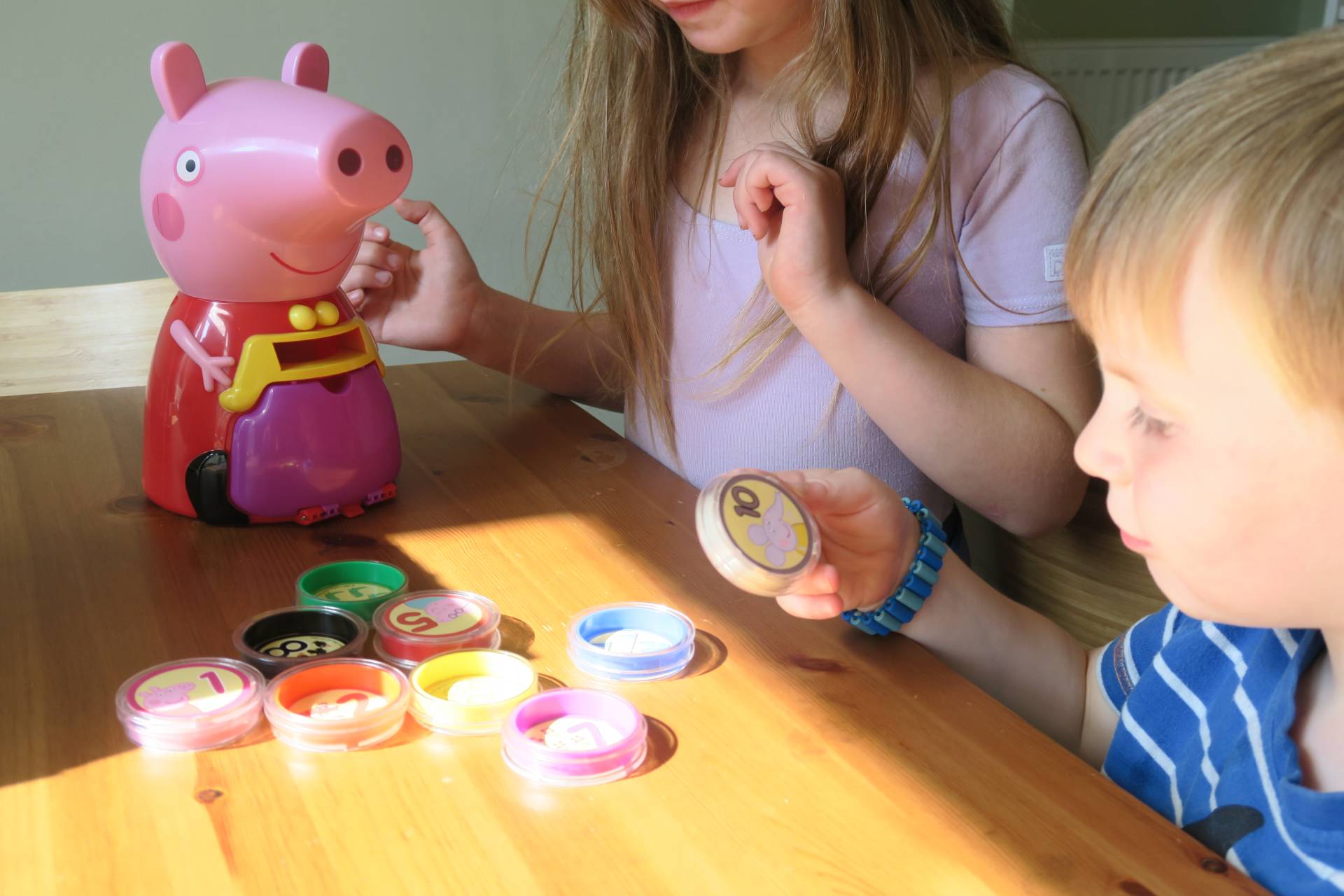
- Pretend shops with play money
- Sorting coins by size or colour
- Reading children’s books about saving and sharing
- Letting them “pay” at the till
If money feels like a game now, it’s less likely to feel overwhelming later.
Let Go of the Pressure to “Get It Right”
If you’re worried about money, you’re not failing your child, it just means you’re human.
Teaching young children about saving isn’t about creating future financial experts. It’s about raising children who:
- Understand that money is finite
- Can wait for things
- Don’t feel entitled to everything immediately
- Feel secure even when the answer is “not today”
That foundation matters far more than pocket money systems or spreadsheets.
A Final Thought for Mums
You don’t need to have all the answers. You don’t need to be debt free, perfectly organised, or confident about money to teach your child healthy habits.
You just need to show them that money is something we can talk about calmly, honestly, and without shame. And that lesson? It will last them a lifetime.
How do you talk about money with your young children?
Do you find it easy, or does it bring up worries from your own childhood?
Share in the comments, we’re all in this together, remember? You’re not alone.
Disclosure: collaborative post
Thank you for reading – if you enjoyed this content, please consider buying me a coffee here
or browse my Amazon wishlist
I really appreciate your support and it helps to keep the site running and for my time 🙂
Disclaimer: This content was automatically imported from a third-party source via RSS feed. The original source is: https://midwifeandlife.com/teaching-young-children-about-budgeting-and-saving-so-they-will-understand/?utm_source=rss&utm_medium=rss&utm_campaign=teaching-young-children-about-budgeting-and-saving-so-they-will-understand. xn--babytilbehr-pgb.com does not claim ownership of this content. All rights remain with the original publisher.